
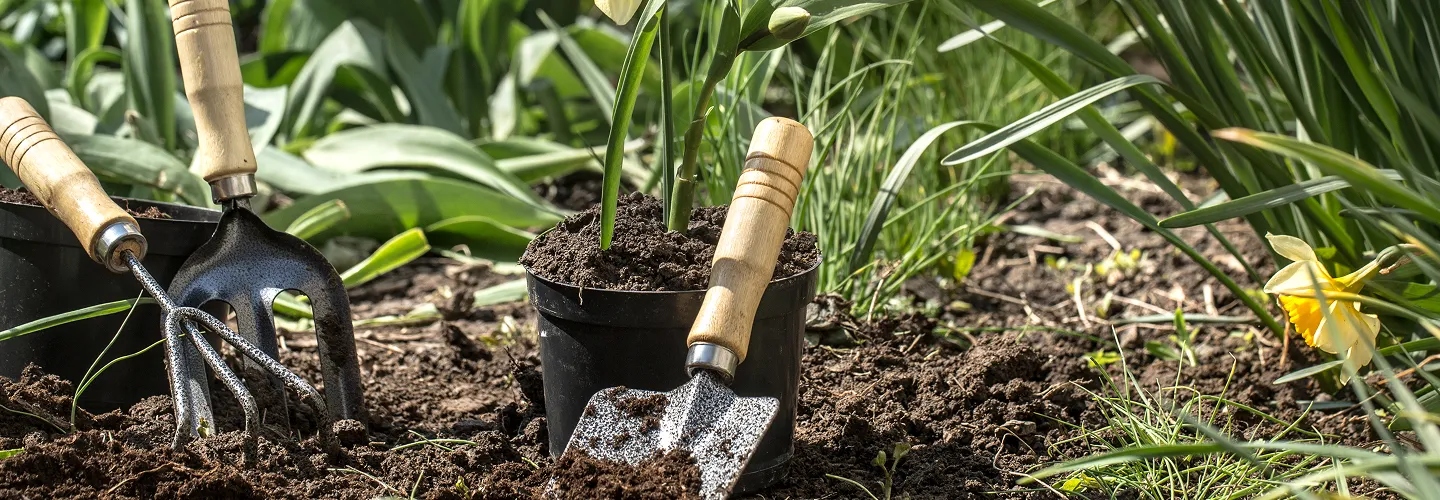
Goodyear Flower Bed Maintenance Services
Choose our Flower Bed Maintenance for expert care, healthy blooms, and a beautiful landscape that enhances your home's curb appeal—so you can enjoy a thriving garden without the hassle.
Get a Free QuoteOur Goodyear Landscaping & Yard Care Services
When to Schedule Flower Bed Maintenance in Goodyear, Arizona – Seasonal Guide
In Goodyear, Arizona, the timing of flower bed maintenance is crucial for keeping your landscape vibrant and healthy throughout the year. Due to our region’s unique Sonoran Desert climate, with hot summers, mild winters, and sporadic rainfall, the best periods for maintenance are typically early spring (late February to April) and late fall (October to early December). These windows allow for optimal plant growth and recovery, while avoiding the stress of peak summer heat or the rare but impactful winter frosts.
Local neighborhoods such as Estrella Mountain Ranch and Palm Valley often experience microclimates influenced by elevation, proximity to the Gila River, and varying shade from mature trees. Soil in Goodyear tends to be alkaline and well-draining, which affects both plant selection and maintenance schedules. Homeowners should also be mindful of municipal watering restrictions and the increased drought risk during late summer. For more information on local environmental guidelines, visit the Sudbury municipal site.
Local Factors to Consider for Flower Bed Maintenance in Goodyear
- Tree density and shade coverage, especially in established communities like PebbleCreek
- Soil composition and drainage, which can vary between neighborhoods
- Seasonal precipitation patterns and monsoon activity
- Frost dates, typically occurring in late December or early January
- Municipal watering restrictions and drought advisories
- Terrain and slope, impacting runoff and soil erosion
Benefits of Flower Bed Maintenance in Goodyear
Enhanced Curb Appeal
Weed and Pest Prevention
Healthier Plant Growth
Seasonal Color Management
Professional Landscape Expertise
Time and Effort Savings
Goodyear Flower Bed Maintenance Types

Seasonal Flower Planting
-
Weed Control Services
-
Mulching and Soil Conditioning
-
Pruning and Deadheading
-
Fertilization Programs
-
Pest and Disease Management
-
Irrigation System Maintenance
Our Flower Bed Maintenance Process
Site Evaluation
Weed Removal
Soil Preparation
Plant Care
Mulching
Why Choose Goodyear Landscape Services
-
Goodyear Homeowners Trust Us
-
Expert Lawn Maintenance
-
Reliable Scheduling
-
Competitive Pricing
-
Professional Team
-
Satisfaction Guarantee
-
Personalized Service
Coordinating Flower Bed Maintenance with Goodyear's Municipal Programs and Departments
Flower bed maintenance in Goodyear involves more than seasonal planting and cleanup. Property owners and managers should coordinate with city departments when maintenance activities generate green waste, affect stormwater drainage, or involve properties adjacent to public rights-of-way. The Goodyear Public Works Department oversees municipal solid waste collection and recycling programs, including the handling of organic landscape debris. Residents should verify current green waste bundling and collection requirements before placing bed trimmings, spent annuals, or pulled weeds at the curb. For properties near parks or public landscape corridors, the Goodyear Parks and Recreation Department manages municipal planting standards and can clarify expectations for bed areas that border city-maintained zones.
- Confirm green waste disposal procedures with Public Works before large seasonal bed cleanouts
- Coordinate with Parks and Recreation if flower beds adjoin public parkways or medians
- Review water conservation rebate eligibility through the city's Water Services program when upgrading irrigation emitters
Goodyear Public Works Department
Official Website: Goodyear Public Works Department
Goodyear Parks and Recreation Department
Official Website: Goodyear Parks and Recreation Department
How Goodyear's Low-Desert Heat and Alkaline Soils Shape Flower Bed Care
Goodyear sits in the Phoenix metro low desert within USDA Hardiness Zone 9b, where summer temperatures routinely exceed 110°F and annual rainfall averages under eight inches. These conditions impose specific demands on flower bed maintenance. Soils across much of Goodyear tend toward alkaline sandy loam, often underlain by caliche hardpan or compacted subdivision fill in newer developments. This high pH limits nutrient availability—particularly iron and phosphorus—requiring soil amendments or chelated micronutrient applications to sustain flowering plants. Reflected heat from block walls, concrete driveways, and decomposed granite mulch intensifies thermal stress on bedding plants, especially those positioned along south- and west-facing exposures.
- Alkaline soils (pH commonly above 7.5) reduce iron uptake, causing chlorosis in non-adapted species
- Caliche layers impede root penetration and drainage, requiring augered planting holes or raised bed construction
- Monsoon storms from July through September deliver intense but brief rainfall, causing washout of mulch and exposed soil in unprotected beds
- Salt accumulation from municipal or well-sourced irrigation water can damage sensitive annuals over time
The Arizona Department of Water Resources provides landscaping guidance that emphasizes hydrozoning and desert-adapted plant selection to reduce irrigation demand in flower beds.
Navigating Goodyear's Code Compliance and Stormwater Rules for Flower Bed Maintenance
Property owners maintaining flower beds in Goodyear should be aware of several regulatory layers. The Goodyear Code Compliance Division enforces neighborhood property maintenance standards, which may include requirements for weed-free beds, maintained edging, and the absence of dead or dying plant material in visible landscape areas. Properties within HOA-governed communities often face additional design review standards for plant species, mulch type, and bed layout. Before applying any chemical weed control or pest treatment in flower beds, applicators should hold appropriate credentials through the Arizona Department of Agriculture's licensing program. Commercial applicators must carry valid certification under Arizona Revised Statutes Title 3.
- Verify property maintenance standards with the Code Compliance Division to avoid nuisance citations for neglected beds
- Ensure herbicide and pesticide applications comply with state licensing requirements
- Prevent soil, mulch, and fertilizer runoff from entering storm drains, curb inlets, or nearby washes per Arizona DEQ stormwater guidance
- Properties adjacent to flood-control channels or retention basins should avoid directing irrigation overflow toward drainage infrastructure
Goodyear Code Compliance Division
Official Website: Goodyear Code Compliance Division
Timing Flower Bed Maintenance Around Goodyear's Monsoon Season and Frost Windows
Professional flower bed maintenance in Goodyear follows a seasonal rhythm dictated by extreme heat, monsoon moisture, and brief winter frost risk. The primary planting windows for warm-season annuals such as vinca, lantana, and zinnia fall between mid-March and early May, before sustained temperatures exceed 105°F. Cool-season color from petunias, snapdragons, and pansies is typically installed between mid-October and early December, after overnight lows consistently drop below 70°F but before the occasional frost events that can occur from late November through February.
- Deadhead spent blooms every two to three weeks during active growing seasons to encourage continued flowering and reduce pest harborage
- Inspect and flush drip emitters monthly; mineral buildup from hard water is common in Goodyear and can clog low-flow emitters
- Replenish organic or rock mulch before monsoon season to protect exposed soil from erosion during high-intensity rainfall
- Apply pre-emergent weed control in beds during early February and again in late August to suppress germination cycles tied to seasonal moisture
- Reduce irrigation frequency but maintain deeper watering during monsoon weeks when humidity rises and supplemental rain occurs
- Remove storm-damaged or heat-stressed plants promptly to prevent fungal issues in beds where humidity lingers after rain events
The Goodyear Water Services Water Conservation Program offers resources on efficient irrigation scheduling that directly supports flower bed watering practices.
What Neighborhoods Do We Serve Throughout Goodyear, AZ?
- Estrella — Large master-planned community with extensive common-area flower beds, desert-adapted plantings, and HOA landscape standards that influence species selection and mulch type in residential beds
- Palm Valley — Established neighborhood with mature landscape beds often featuring older drip irrigation systems that require emitter inspection and line replacement during maintenance visits
- Pebblecreek — Active-adult community where flower beds along entryways and courtyards face significant reflected heat from stucco walls and concrete walkways, demanding heat-tolerant species
- Canyon Trails — Newer subdivision with compacted fill soils that may require soil amendment and improved drainage preparation before flower bed plantings establish successfully
- Centerra — Properties near retention basins and drainage corridors where bed maintenance must account for monsoon runoff patterns and avoid directing mulch or soil toward stormwater infrastructure
- Sarival Village — Older Goodyear area with varied lot sizes and irrigation configurations, where flower bed maintenance often involves transitioning legacy flood-irrigated beds to drip systems