
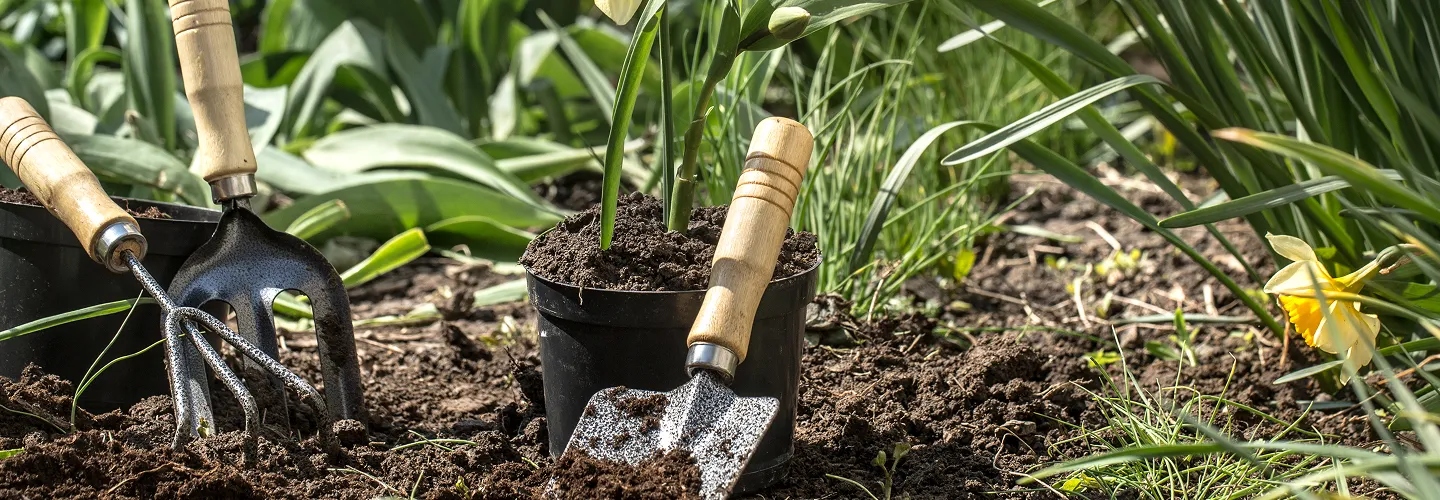
Goodyear Lawn Installation Services
Choose our expert lawn installation for a seamless, hassle-free transformation—enjoy a vibrant, healthy yard that boosts your home's curb appeal and value, all backed by our commitment to quality and customer satisfaction.
Get a Free QuoteOur Goodyear Landscaping & Yard Care Services
When to Schedule Lawn Installation in Goodyear, Arizona – Seasonal Guide
In Goodyear, Arizona, timing your lawn installation is crucial for long-term success due to the region’s unique desert climate and soil conditions. The best periods for installing new turf are typically early spring (February to April) and early fall (September to October), when temperatures are moderate and the risk of extreme heat or frost is minimal. These windows allow new grass to establish strong roots before the intense summer heat or occasional winter chills set in. Neighborhoods near Estrella Mountain Ranch and Palm Valley often experience microclimates, so it’s important to consider local shade coverage and soil composition when planning your project.
Goodyear’s landscape is shaped by factors such as low annual precipitation, clay-heavy soils, and sporadic humidity. Homeowners should also be aware of municipal watering restrictions and the potential for drought, which can impact both the timing and success of lawn installation. For more information on local guidelines and resources, visit the City of Goodyear’s official site.
Local Factors to Consider for Lawn Installation in Goodyear
- Tree density and shade coverage, especially in established neighborhoods like Palm Valley
- Soil type (clay, sand, or loam) and the need for soil amendments
- Seasonal precipitation patterns and irrigation requirements
- Proximity to natural landmarks such as Estrella Mountain, which can influence microclimates
- Municipal restrictions on watering and landscaping during drought periods
- Terrain slope and drainage, particularly in custom home lots
By considering these local factors, you can ensure your new lawn thrives in Goodyear’s distinctive environment.
Benefits of Lawn Installation in Goodyear
Expert Lawn Installation
Premium Quality Sod
Efficient Project Completion
Customized Landscaping Solutions
Local Goodyear Experience
Sustainable Lawn Practices
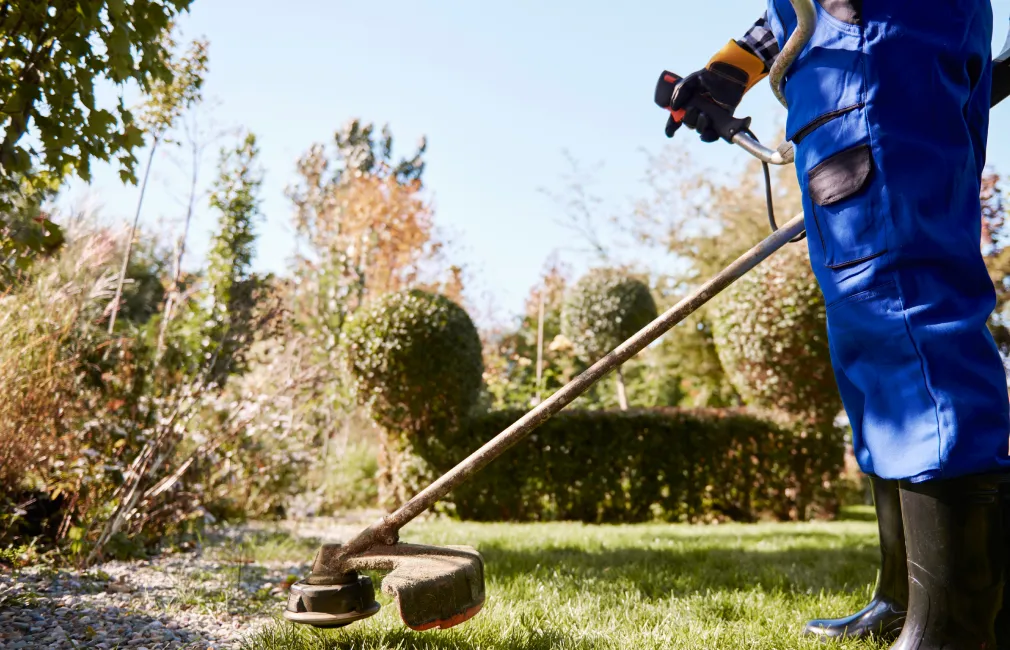
Goodyear Lawn Installation Types

Sod Installation
-
Hydroseeding
-
Artificial Turf Installation
-
Grass Seed Planting
-
Drought-Tolerant Lawn Installation
-
Zoysia Grass Installation
-
Bermuda Grass Installation
Our Lawn Installation Process
Site Evaluation
Soil Preparation
Lawn Installation
Watering and Initial Care
Why Choose Goodyear Landscape Services
-
Goodyear Homeowners Trust Us
-
Expert Lawn Maintenance
-
Reliable Scheduling
-
Competitive Pricing
-
Professional Team
-
Satisfaction Guarantee
-
Personalized Service
Coordinating Lawn Installation Projects with Goodyear's Municipal Development Services
Lawn installation in Goodyear requires coordination with several city departments, particularly when projects involve grading changes, irrigation connections, or work near public rights-of-way. The Goodyear Development Services Department oversees land development review and can clarify whether a residential or commercial lawn installation project triggers site work review based on scope and location. Property owners planning large-scale turf establishment—especially on newly developed lots or parcels adjacent to drainage corridors—should confirm grading and drainage requirements before breaking ground.
- Verify whether your project scope requires a development review or grading approval through the city
- Coordinate irrigation system connections with Goodyear's water utility to ensure meter capacity and backflow compliance
- Confirm green waste and soil debris disposal procedures with the Goodyear Public Works Department before hauling excavated material offsite
- Properties within HOA-governed communities should review CC&R landscape standards prior to selecting turf species or layout
Goodyear Development Services Department
190 N Litchfield Rd, Goodyear, AZ 85338
Official Website: Goodyear Development Services Department
How Goodyear's Low-Desert Soils and Heat Shape Lawn Installation Outcomes
Goodyear sits within the Phoenix metro low-desert region, classified under USDA Plant Hardiness Zone 9b–10a, where summer surface temperatures routinely exceed 110°F and annual rainfall averages roughly seven to eight inches. These conditions directly affect every phase of lawn installation. Soils across much of Goodyear's developed areas consist of alkaline sandy loam and compacted subdivision fill, frequently underlain by caliche hardpan that restricts root penetration and water infiltration. According to the USDA Web Soil Survey, many parcels in the western Phoenix metro exhibit calcium carbonate accumulations that raise soil pH well above 8.0, limiting nutrient availability for newly established turf.
- Caliche layers may require mechanical breaking or augering before topsoil placement to allow adequate root-zone depth
- Alkaline pH reduces iron and phosphorus uptake, often necessitating sulfur amendments or chelated micronutrient applications during soil preparation
- Reflected heat from block walls, concrete driveways, and decomposed granite borders intensifies turf stress along property edges
- Monsoon runoff between July and September can erode freshly graded surfaces and wash away seed or newly laid sod if drainage is not properly directed away from the installation area
The University of Arizona Cooperative Extension provides region-specific guidance on turf species selection and soil amendment strategies suited to these low-elevation desert conditions.
Navigating Goodyear's Code Compliance and Stormwater Rules for Lawn Installation
Goodyear enforces property maintenance standards through its Code Compliance Division, which addresses issues such as unmaintained frontage, excessive bare soil, and erosion visible from public areas. Residents installing new lawns should be aware that allowing sediment, soil amendments, or irrigation runoff to enter city storm drains or adjacent washes may constitute a stormwater violation under the Arizona DEQ Phase II MS4 program and the federal Clean Water Act.
- Sediment from grading and soil preparation must be contained on-site using silt barriers or temporary berms during the installation period
- Excess irrigation water must not flow into streets, curb inlets, or flood-control channels
- Pesticide or fertilizer applications during or immediately after installation must comply with Arizona Department of Agriculture licensing requirements for commercial applicators
- The Goodyear Engineering Department should be consulted when lawn installation involves regrading near retention basins, washes, or public drainage easements
Goodyear Engineering Department
190 N Litchfield Rd, Goodyear, AZ 85338
Official Website: Goodyear Engineering Department
Timing Lawn Installation around Goodyear's Monsoon Season and Desert Heat Cycles
Professional lawn installation in Goodyear follows seasonal windows dictated by turf biology and extreme climate. Bermudagrass—the dominant warm-season turf in low-elevation Arizona—establishes most reliably when installed between late April and early September, when soil temperatures consistently exceed 80°F. The Turfgrass Maintenance Guide for Low Elevation Arizona from the University of Arizona confirms that warm-season sod and sprigs root fastest during sustained heat, provided irrigation is adequate.
- Grade preparation should be completed before monsoon season begins in mid-June to prevent erosion of exposed subgrade
- Irrigation coverage must be verified across the entire installation area before sod is laid; gaps in head-to-head coverage lead to rapid turf failure in desert heat
- Watering frequency during establishment typically requires multiple short cycles per day, adjusted according to the Goodyear Water Services conservation guidelines; verify current watering restrictions and drought-stage rules before scheduling installation
- Winter overseeding with perennial ryegrass, if desired, is generally performed between mid-October and mid-November when bermudagrass enters dormancy
- Soil amendments including gypsum for sodium displacement and iron sulfate for pH correction should be incorporated during initial soil preparation, not applied as surface treatments after sod placement
Goodyear Water Services - Water Conservation Program
Official Website: Goodyear Water Services - Water Conservation Program
What Neighborhoods Do We Serve Throughout Goodyear, AZ?
- Estrella — This large master-planned community features varied lot sizes and extensive common-area landscaping; lawn installation projects here should account for HOA design review requirements and proximity to the Estrella Mountain Regional Park wash corridors.
- Palm Valley — Established residential lots in Palm Valley often have mature irrigation systems that may require auditing and rezoning before new turf is installed over compacted or salt-affected soils.
- Pebblecreek — As an active-adult community, Pebblecreek properties frequently involve smaller turf areas bordered by decorative rock and hardscape, increasing reflected heat exposure on newly installed grass.
- Canyon Trails — Newer subdivision fill soils in Canyon Trails may settle unevenly, making proper subgrade compaction and laser-leveling critical before sod placement.
- Centerra — Properties in Centerra sit within a rapidly developing area where drainage patterns and retention basin proximity should be confirmed with the city before grading for lawn installation.
- Sarival Corridor — Parcels along the Sarival corridor may include agricultural legacy soils with higher salinity levels, requiring pre-installation soil testing and leaching protocols.