
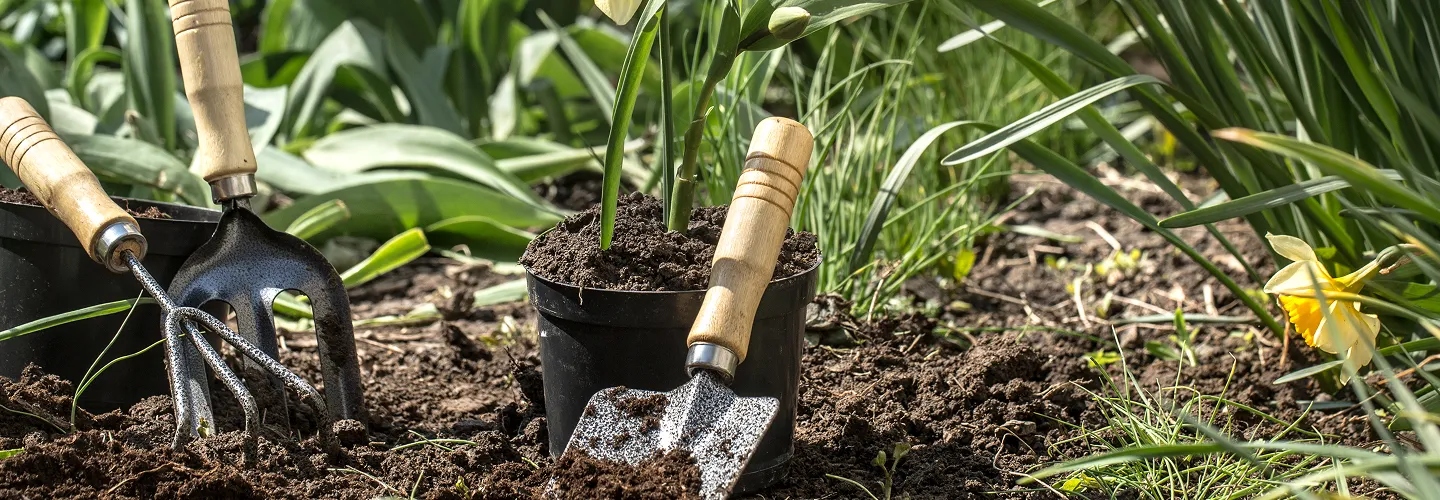
Goodyear Green Waste Disposal Services
Choose our Green Waste Disposal for reliable, environmentally responsible service that keeps your property clean while supporting a healthier planet. We make it easy to dispose of yard debris and organic waste the right way.
Get a Free QuoteOur Goodyear Landscaping & Yard Care Services
When to Schedule Green Waste Disposal in Goodyear, Arizona – Seasonal Guide
In Goodyear, Arizona, the timing of green waste disposal is closely tied to our unique Sonoran Desert climate and the rhythms of local landscaping needs. The best periods for scheduling green waste removal are typically late winter through early spring and again in late fall. These windows align with the end of frost periods—usually after mid-February—and before the onset of summer heat, which can accelerate plant growth and debris accumulation. Neighborhoods near Estrella Mountain Ranch and Palm Valley often see increased green waste after seasonal pruning and monsoon storms, making timely disposal essential for maintaining curb appeal and healthy landscapes.
Local environmental factors such as drought risk, low humidity, and the prevalence of shade from mature mesquite or palo verde trees all play a role in determining when to clear out yard debris. Soil types in Goodyear, ranging from sandy loam to clay, can also affect how quickly organic matter breaks down. For residents near Goodyear Ballpark or along the Agua Fria River, municipal guidelines and local resources provide additional insight into optimal disposal practices and restrictions.
Local Factors to Consider for Green Waste Disposal in Goodyear
- Tree and shrub density on your property
- Proximity to washes, parks, or protected desert areas
- Recent precipitation or monsoon activity
- Soil drainage and composition
- Shade coverage from mature landscaping
- City of Goodyear municipal collection schedules and restrictions
- Neighborhood-specific HOA guidelines
Benefits of Green Waste Disposal in Goodyear
Eco-Friendly Landscaping Solutions
Efficient Green Waste Removal
Promotes Healthy Plant Growth
Reduces Landfill Waste
Improves Curb Appeal
Supports Sustainable Practices
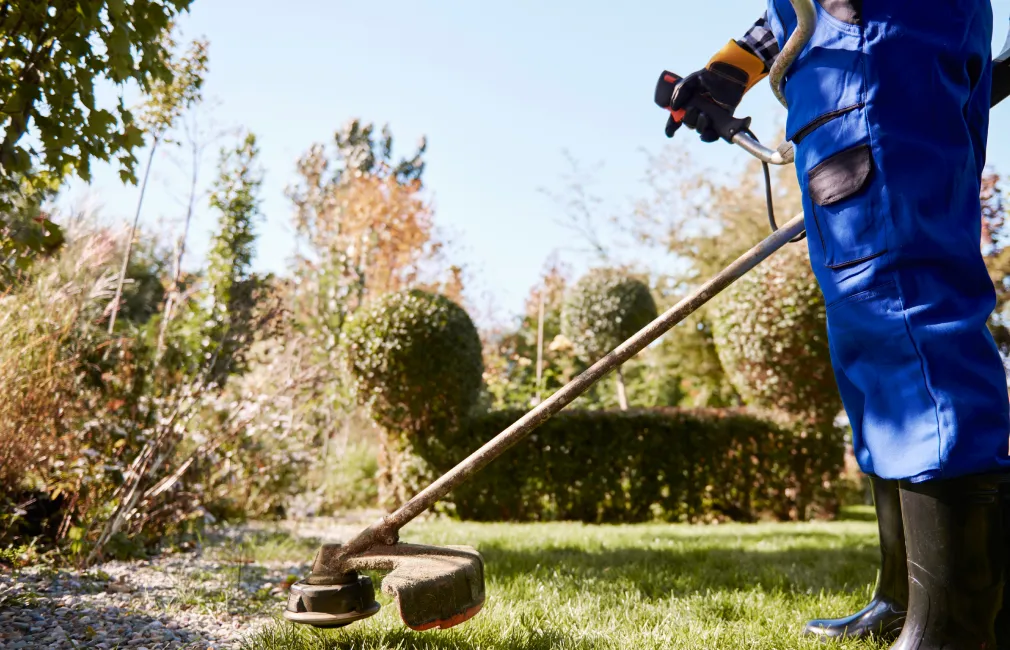
Goodyear Green Waste Disposal Types

Grass Clippings
-
Tree Branches
-
Shrub Trimmings
-
Leaves and Foliage
-
Palm Fronds
-
Weeds and Yard Debris
-
Garden Plant Waste
Our Green Waste Disposal Process
Collection of Green Waste
Sorting and Separation
Transport to Disposal Facility
Eco-Friendly Processing
Why Choose Goodyear Landscape Services
-
Goodyear Homeowners Trust Us
-
Expert Lawn Maintenance
-
Reliable Scheduling
-
Competitive Pricing
-
Professional Team
-
Satisfaction Guarantee
-
Personalized Service
Coordinating Green Waste Disposal Through Goodyear's Municipal Collection Programs
Green waste disposal in Goodyear requires coordination with the city's solid waste and public works infrastructure. The Goodyear Public Works Department oversees municipal solid waste collection, recycling programs, and related curbside services. Residents and property managers should verify current green waste collection schedules, accepted materials, and container or bundling requirements directly through Public Works before placing organic debris at the curb. Accepted green waste typically includes tree trimmings, shrub clippings, grass cuttings, and other landscape-generated organic material. Commercial landscape operations generating large volumes of green waste should confirm whether municipal collection applies to their accounts or whether private hauling to a licensed transfer facility is required.
- Confirm curbside green waste pickup schedules and any seasonal changes with Public Works
- Separate green waste from general trash and recyclables to avoid contamination
- Verify bundling size and container limits before placing material for collection
- Commercial generators should confirm disposal routing through licensed facilities
Goodyear Public Works Department
190 N. Litchfield Road, Goodyear, AZ 85338
Official Website: Goodyear Public Works Department
How Goodyear's Low-Desert Heat and Monsoons Affect Green Waste Disposal
Goodyear sits within the Phoenix metro low-desert region, classified under USDA Hardiness Zone 9b to 10a, where extreme summer heat accelerates the decomposition and desiccation of organic debris. Temperatures routinely exceeding 110°F cause cut vegetation to dry rapidly, reducing weight but increasing fire risk when piled near structures or fences. The monsoon season, typically from mid-June through September, generates sudden high-wind events and intense rainfall that can scatter unsecured green waste into washes, retention basins, and storm-drain inlets. Goodyear's soils are predominantly alkaline sandy loam and caliche-influenced profiles, meaning organic material left on compacted ground does not decompose efficiently and can impede surface drainage.
- Dried green waste piled near block walls or structures poses an elevated fire hazard during extreme heat
- Monsoon winds can redistribute loose clippings and trimmings into flood-control channels and curb inlets
- Alkaline, caliche-heavy soils resist natural decomposition, making timely removal essential
- Retention basins throughout Goodyear's subdivisions are vulnerable to organic debris blockage during storm events
Navigating Goodyear's Code and Stormwater Rules for Green Waste Disposal
Property owners in Goodyear must comply with neighborhood property maintenance standards enforced by the Goodyear Code Compliance Division. Accumulated green waste left on a property beyond collection schedules may constitute a code violation, particularly when it creates a visible nuisance or attracts pests. From a stormwater perspective, allowing organic debris to enter the municipal storm sewer system conflicts with Arizona DEQ Phase II MS4 requirements and the broader framework of the Clean Water Act. Green waste that washes into drainage channels introduces nutrient loads and can obstruct flow during monsoon events. The Goodyear Engineering Department manages drainage infrastructure and may address situations where debris impacts public stormwater conveyance.
- Keep all green waste away from curb inlets, washes, and retention basin edges
- Do not dump or blow clippings into streets, alleys, or drainage easements
- Address accumulated vegetation promptly to remain in compliance with code enforcement standards
- Verify any special disposal rules for noxious or invasive plant material through the Arizona Department of Agriculture
Goodyear Code Compliance Division
190 N. Litchfield Road, Goodyear, AZ 85338
Official Website: Goodyear Code Compliance Division
Timing and Methods for Green Waste Disposal in Goodyear's Climate
Professional green waste disposal in Goodyear's climate demands attention to seasonal timing and material handling. During the peak growing season from April through September, bermudagrass turf and desert-adapted trees such as palo verde and mesquite generate substantial clipping and pruning volume. The Goodyear Urban Forestry Program coordinates public tree care, and property owners managing private trees should plan pruning and disposal before monsoon season to reduce storm-damage debris. Green waste should be staged in a shaded, contained area away from drainage paths until collection day. Wet organic material left in direct sun ferments rapidly, producing odors and attracting insects within hours during summer months.
- Schedule major pruning and brush clearing before mid-June to reduce monsoon-related debris emergencies
- Bundle branches according to city specifications and keep bundles accessible at the curb without blocking sidewalks
- Bag grass clippings and small organic debris in approved containers rather than leaving loose piles
- Avoid staging green waste near stormwater infrastructure, including retention basin inlets and street gutters
Goodyear Engineering Department
190 N. Litchfield Road, Goodyear, AZ 85338
Official Website: Goodyear Engineering Department
What Neighborhoods Do We Serve Throughout Goodyear, AZ?
- Estrella — This large master-planned community features extensive common-area landscaping, multiple parks, and wash corridors where green waste must be managed carefully to protect drainage infrastructure.
- Palm Valley — Established neighborhoods with mature shade trees and irrigated turf generate consistent volumes of clippings, leaf litter, and seasonal pruning debris requiring regular disposal coordination.
- Pebblecreek — An active-adult community with manicured golf course-adjacent lots where green waste from ornamental plantings and turf maintenance accumulates throughout the growing season.
- Canyon Trails — Newer subdivision development with compact lots, decomposed granite yards, and limited organic waste, though common-area tree trimming still produces periodic disposal needs.
- Centerra — Properties near retention basins and flood-control channels in this area require particular attention to preventing green waste from migrating into stormwater conveyance during monsoon events.
- Sarival Village — Older agricultural-transition parcels in this area may generate larger volumes of green waste from legacy citrus or shade trees, requiring bulk hauling beyond standard curbside limits.